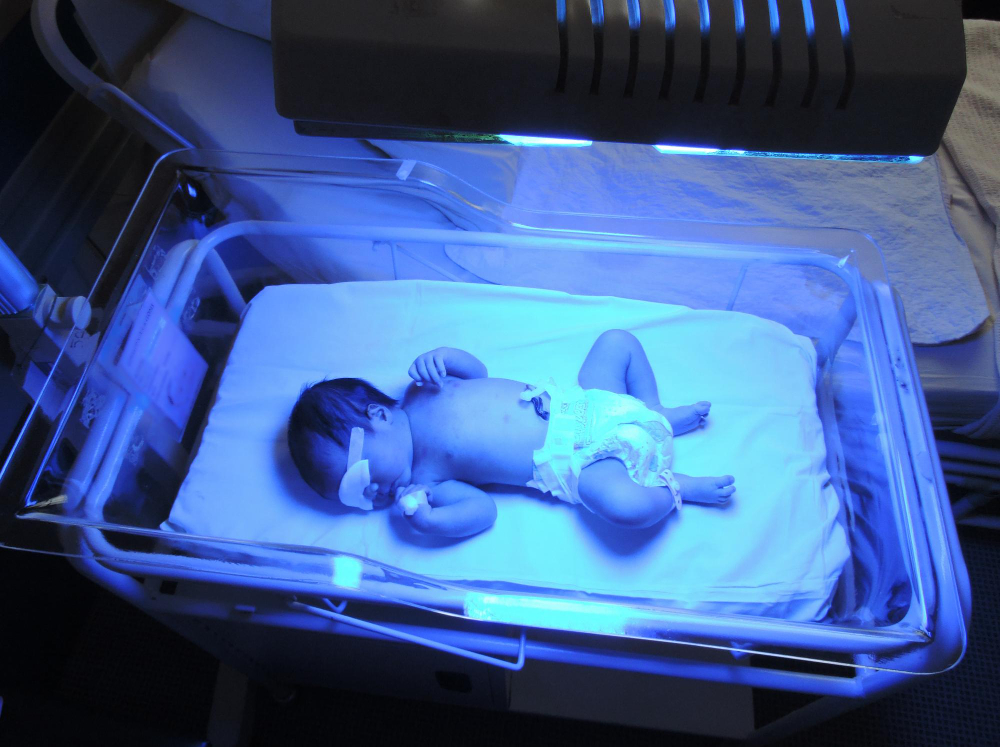
What Is Phototherapy?
Phototherapy in pediatrics is a safe light treatment used for children. Doctors often use it to treat newborns with jaundice. In this treatment, special lights help break down extra bilirubin in the blood. Bilirubin is a yellow substance made when the body breaks down old red blood cells. Too much bilirubin can cause yellow skin and eyes, known as jaundice.
Why Is Phototherapy Used in Children?
Doctors use phototherapy for newborns and older children for several reasons. Most often, it treats neonatal jaundice, which is common in newborns. Sometimes, doctors use it for certain skin conditions, like eczema or psoriasis, but this is less common in children. Early treatment helps prevent problems caused by high bilirubin levels.
How Does Phototherapy Work?
Phototherapy uses blue or white light to change bilirubin into a form the body can remove easily. The baby’s skin absorbs the light, which helps break down bilirubin. Then, the baby’s liver and kidneys remove it through urine and stool. This process is safe and effective for most babies.
Symptoms and Signs Indicating the Need for Phototherapy
Parents should watch for signs of jaundice in their newborn. Early signs include yellowing of the skin and eyes. Sometimes, babies may seem sleepy or have trouble feeding. If you notice these signs, contact your doctor right away. Early care can prevent serious problems.
Diagnosis and When Doctors Recommend Phototherapy
Doctors check for jaundice during newborn exams. They may use a skin test or blood test to measure bilirubin levels. If the level is high, doctors may recommend phototherapy for newborns. The decision depends on the baby’s age, weight, and health. Sometimes, doctors repeat tests to track progress.
The Phototherapy Procedure: What to Expect
During phototherapy, your baby will lie under special lights in a hospital or clinic. Nurses cover the baby’s eyes to protect them. The baby may wear only a diaper to expose more skin to the light. Nurses check the baby’s temperature and hydration often. The treatment may last from a few hours to several days, depending on the bilirubin level.
Benefits and Effectiveness
Phototherapy is very effective for treating jaundice in babies. According to the World Health Organization, it lowers bilirubin levels quickly and safely. Most babies respond well and recover without problems. Early treatment helps prevent brain damage and other serious issues.
Possible Risks and Side Effects
Phototherapy for newborns is safe, but some mild side effects can happen. Most side effects go away after treatment ends. However, it is important to watch for any changes and tell your doctor.
Serious side effects are very rare. Pediatric phototherapy safety is well-studied and trusted by doctors worldwide.
Home Care Tips and Aftercare
After phototherapy, your baby may need extra care at home. For example, keep your baby well-fed and watch for signs of jaundice. Make sure to follow your doctor’s advice for follow-up visits. If you notice yellowing returns or your baby seems unwell, call your doctor right away.
Prevention and When to Seek Medical Help
While you cannot always prevent jaundice, early feeding and regular check-ups help lower the risk. If you see signs of jaundice or your baby is not feeding well, seek medical help quickly. Early care makes a big difference in recovery.
Conclusion
Phototherapy in pediatrics is a safe and effective way to treat jaundice in babies. It helps lower bilirubin levels and prevents serious problems. If you have questions about how phototherapy treats jaundice in babies, consult us for personalized advice about phototherapy for your child.