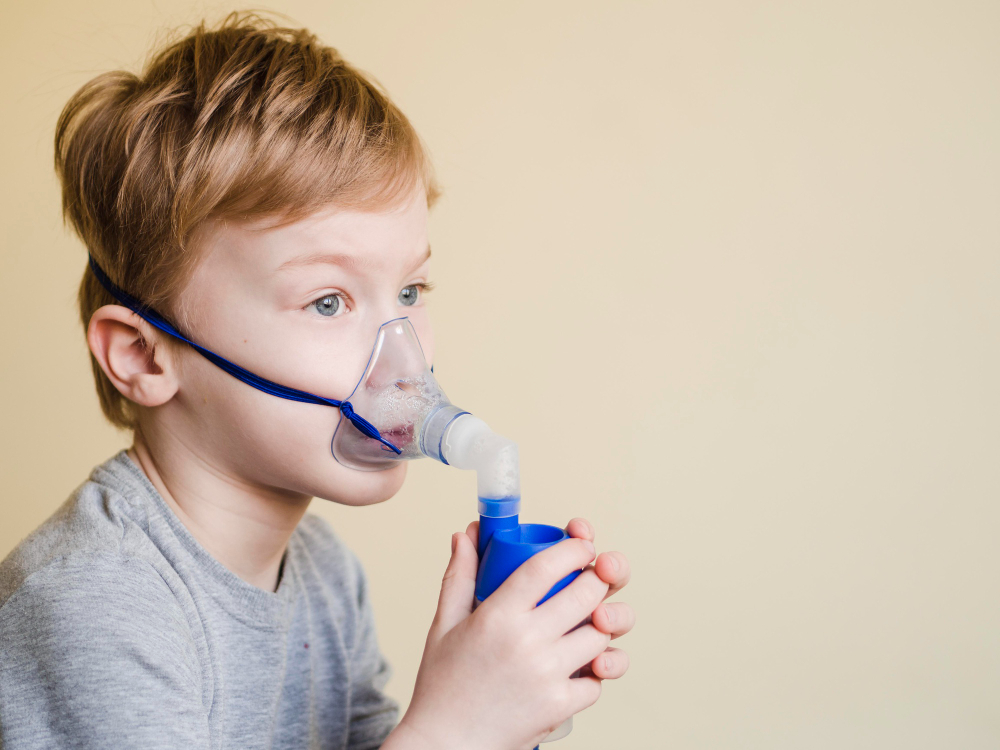
What is Childhood Asthma?
Childhood asthma is a long-term lung condition that affects many children worldwide. In fact, it is one of the most common chronic illnesses in kids, especially in the US. Asthma causes the airways in the lungs to become swollen and narrow. Because of this, children may find it hard to breathe. Although asthma cannot be cured, it can be managed with the right care. Early treatment helps children lead active and healthy lives.
Common Symptoms of Childhood Asthma
Children with asthma may show different symptoms. However, some signs are more common than others. Recognizing these early can help parents get the right care for their child. Here are some typical childhood asthma symptoms:
Sometimes, symptoms may get worse with colds, allergies, or exercise. If you notice these signs, it is important to talk to your child’s doctor.
Causes and Risk Factors
Many things can cause or trigger asthma in children. While the exact cause is not always clear, several risk factors play a role. For example, children may be more likely to develop asthma if:
In addition, certain triggers can make asthma symptoms worse. Common asthma triggers in kids include:
Knowing these causes and triggers can help in managing pediatric asthma more effectively.
How Childhood Asthma is Diagnosed
Doctors use several steps to diagnose childhood asthma. First, they ask about your child’s symptoms and medical history. Next, they may perform a physical exam. Sometimes, doctors use breathing tests to check how well your child’s lungs work. For younger children, these tests may be harder to do. In such cases, doctors rely more on symptoms and family history. According to the CDC, early diagnosis helps prevent severe asthma attacks.
Treatment and Management Options
Managing pediatric asthma involves both medicine and lifestyle changes. Treatment plans are tailored to each child’s needs. Here are common options for asthma in children treatment:
In addition, it is important to follow the asthma action plan given by your doctor. This plan helps you know what to do if symptoms get worse. With the right care, most children can keep their asthma under control.
Lifestyle Tips for Children with Asthma
Although medicine is important, daily habits also play a big role in managing asthma. Here are some tips for families:
By making these changes, you can help reduce asthma attacks and keep your child healthy.
Prevention and When to Seek Help
While you cannot always prevent childhood asthma, there are ways to reduce the risk of attacks. For example, avoid smoking around your child, keep your home clean, and ensure they take their medication as prescribed. However, if your child experiences difficulty breathing, cannot speak, or their lips turn blue, seek emergency help immediately. According to the WHO, quick action during a severe asthma attack can save lives.
For more information or if you have concerns, consult Dr. Ramesh Kumawat, a pediatrician who can provide personalized advice on managing childhood asthma.