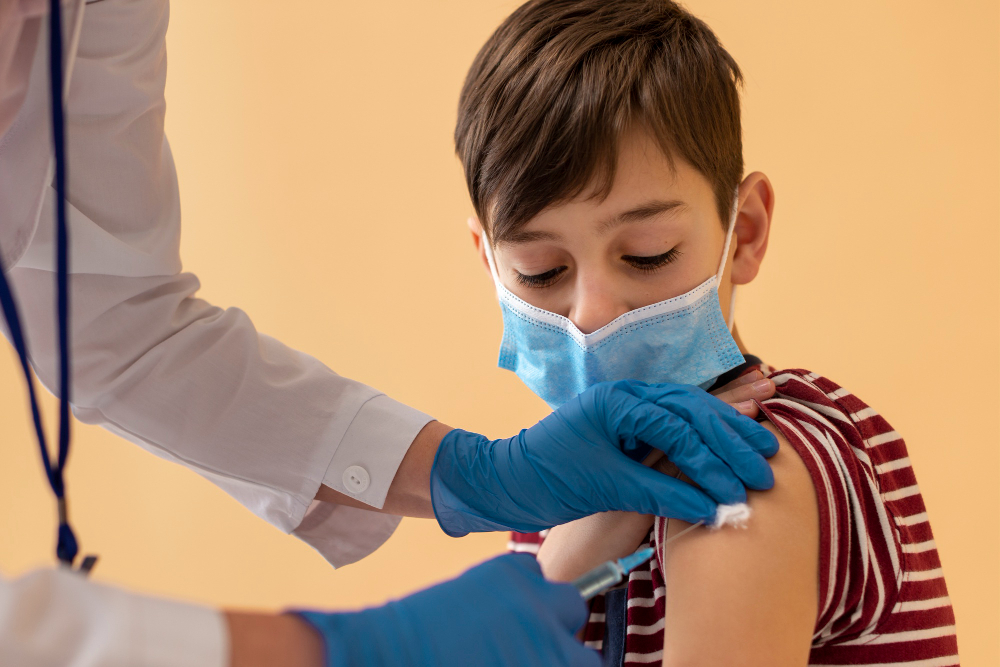
Vaccinations in children are a key part of keeping kids healthy. These shots help protect against serious diseases that can spread easily. In fact, childhood immunization has saved millions of lives worldwide. Because vaccines are so important, parents often have questions about their safety, schedule, and benefits. This blog will explain everything you need to know about vaccinations in children, including why they matter and how to keep your child on track.
What Are Vaccinations in Children?
Vaccinations in children are special shots given to protect against certain diseases. When a child gets a vaccine, their body learns to fight off germs without getting sick. As a result, vaccines help build strong immunity. Most vaccines use a tiny, safe part of the germ to teach the body how to defend itself. Over time, this helps prevent many illnesses that used to be common.
Why Are Childhood Vaccinations Important?
First, childhood vaccinations protect your child from dangerous diseases like measles, polio, and whooping cough. These diseases can cause serious health problems or even death. In addition, vaccines help protect others in your community. When most people are vaccinated, it is harder for diseases to spread. This is called herd immunity. Because of herd immunity, even people who cannot get vaccines, like newborns or those with weak immune systems, stay safer. Overall, childhood immunization keeps families and communities healthy.
Recommended Vaccination Schedule for Children
In the United States, doctors follow a set immunization schedule to keep children protected. The Centers for Disease Control and Prevention (CDC) and the World Health Organization (WHO) both recommend these schedules. Below are some key vaccines and the ages when children should get them:
Because schedules can change, always check with your pediatrician for the latest updates.
Common Myths and Facts About Childhood Vaccines
Many parents hear myths about vaccines. However, it is important to know the facts:
Are Vaccinations Safe for Children?
Yes, vaccines are very safe for children. Before approval, every vaccine goes through many tests. After approval, experts keep watching for any problems. Most side effects are mild, like a sore arm or slight fever. Serious side effects are very rare. Because safety is so important, doctors and nurses report any unusual reactions. In the United States, the CDC and FDA monitor vaccine safety closely. If you have concerns, talk to your child’s doctor about vaccine safety and side effects.
How to Prepare Your Child for Vaccination
Getting a shot can make children nervous. However, there are ways to help:
Because preparation helps, children often feel less scared and recover faster.
Frequently Asked Questions
Conclusion
In summary, vaccinations are safe, effective, and essential for your child’s health. They not only protect your child from serious diseases but also help safeguard the community. Vaccination schedules can change, so it’s important to stay updated.
For personalized vaccination advice and to ensure your child is on track, consult Dr. Ramesh Kumawat.